

Isaac Rodriguez, CPhT-Adv, CPTEd
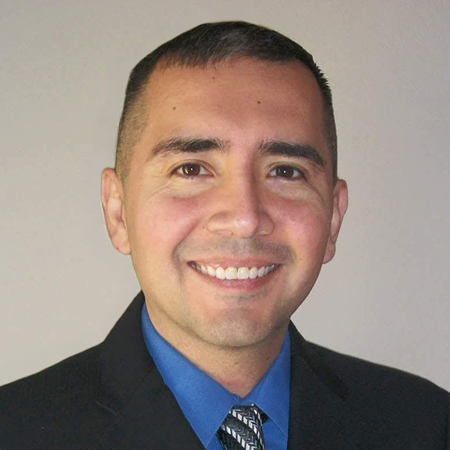
Program Director
The University of Texas-Rio Grande Valley
Edinburg, TX
Certification
Pharmacy Technician Certification Board (PTCB)
Number of Years at Organization
11
Why did you become a pharmacy technician?
I chose to become a hospital pharmacy technician because I wanted to work in an environment where precision, urgency, and patient safety truly matter. In a hospital setting, medications directly impact acute care outcomes, and I was drawn to the responsibility of supporting critically ill patients behind the scenes. Hospital pharmacy challenged me to grow beyond retail functions and develop advanced technical skills — especially sterile compounding, IV admixture preparation, and compliance with USP <797> standards. I value structured processes, accuracy, and accountability, and the hospital environment demands excellence in each of those areas. What motivated me most was the opportunity to be part of a multidisciplinary healthcare team. In the hospital, pharmacy technicians play a vital role in ensuring timely medication delivery, maintaining automated dispensing systems, supporting emergency responses, and protecting patient safety through meticulous preparation and documentation. For me, becoming a hospital pharmacy technician wasn’t just about expanding my skills, it was about elevating my impact. I wanted to work where my attention to detail, commitment to quality and dedication to patient care could directly support lifesaving treatment.
How long have you been practicing?
I started practicing as a pharmacy technician in 1995 and remained in the field until 2001 when I became a pharmacy technician instructor. I've continued to be a pharmacy technician instructor in academia ever since.
What are you most proud of in your professional career?
The proudest moments in my professional career are not tied to titles or certifications; they are the moments when former students reach back to tell me they have been accepted into pharmacy school or have officially become pharmacists. When a student sends a message saying, “I wouldn’t have believed in myself without your guidance,” or “Your training prepared me for pharmacy school,” those words stay with me. Some have shared that our discussions about patient safety, sterile compounding, professionalism, and accountability shaped how they approach their PharmD journey. Others have told me that the confidence they gained in our program gave them the courage to apply to pharmacy school in the first place. Seeing students who once struggled with calculations or IV aseptic technique go on to wear a white coat as pharmacists is incredibly meaningful. It reminds me that education is not just about skills. It’s also about building identity, discipline, and purpose. Those messages from students who are now pharmacists are the true milestones of my career. They represent generational impact. They show that investing in high standards, structured training, and mentorship creates ripple effects in patient care far beyond my own daily practice. I am proud not only of what I have accomplished personally, but of who my students have become. They're leaders, clinicians, and advocates for safe and ethical pharmacy practice. That is the achievement that matters most to me.
What is your most memorable experience as a pharmacy technician?
One of my most memorable experiences as a pharmacy technician was the moment I watched one of my students successfully complete their first sterile compounding assessment independently. This was a student who initially struggled with confidence. They were anxious about aseptic technique, second guessed their calculations, and worried about making mistakes. Over time through structured practice, detailed feedback, and constant reinforcement of USP <797> principles, I saw growth. Not just in skill but in mindset. The day of their final evaluation, I stepped back and observed. Their calculations were accurate. Their documentation was thorough. When they finished, they looked up with quiet confidence and I realized they no longer saw themselves as “just a student.” They saw themselves as a success. That moment stayed with me because it captured why I teach. Technical skills can be taught but professional identity is built. Watching students move from doubt to discipline, from hesitation to precision, is incredibly meaningful. That moment helped me understand that my impact as a pharmacy technician extended far beyond medication preparation. It extended into shaping future pharmacy technicians and strengthening the profession itself.
Why did you become certified?
I pursued and maintain my certified pharmacy technician credential (CPhT), particularly my certified pharmacy technician educator (CPTEd) credential, because I believe professional growth should be intentional and aligned with educational excellence. My CPTEd goes beyond basic certification, it reflects my commitment to advanced competency, instructional development, and leadership within the pharmacy technician profession. Earning my CPTEd has strengthened both my technical expertise and my ability to train and mentor students effectively. Maintaining my CPTEd credential demonstrates that I hold myself to the same high standards I expect from my students. It supports my growth not only as a technician, but as a subject matter expert dedicated to elevating pharmacy technician education.
What career advice do you have for others interested in becoming a Pharmacy Technician?
If you are considering becoming a pharmacy technician, understand that this profession is about much more than counting pills. It is a healthcare role that emphasizes precision, accountability, and patient safety. First, commit to mastering the fundamentals. Accuracy is key. Small mistakes can have serious consequences, so develop strong attention to detail early. Second, pursue certification and continue learning. Earning your CPhT not only strengthens your knowledge but also opens doors to hospital pharmacy, sterile compounding, automation systems, and leadership roles. Treat this as a profession, not just a job. Third, consider your long-term goals. Pharmacy technician experience can lead to specialization, supervision, teaching, or even becoming a pharmacist. The skills you build here create a strong foundation for future growth. Finally, develop professionalism and communication skills. Pharmacy technicians work closely with pharmacists, nurses, providers, and patients. Reliability, teamwork, and integrity will set you apart more than technical ability alone.