

Chidimma Michaels, BS, CPhT, CSPT
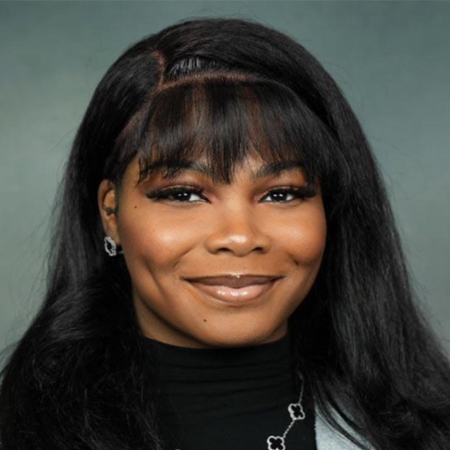
Manager, Pharmacy Product Development
Pharmacy Growth and Innovation
CVS Health
White Marsh, MD
Certification
Pharmacy Technician Certification Board (PTCB)
Number of Years at Organization
5
Why did you become a pharmacy technician?
I originally set out on the path to becoming a clinical pharmacist and began studying for the PCAT during my undergraduate degree. Becoming a pharmacy technician was a practical first step, both to gain experience and to immerse myself in the clinical environment for maximum learning. I wanted to understand medication safety, compounding, and pharmacy operations from the ground up, and the pharmacy technician role gave me that insight.
How long have you been practicing?
I began my career in pharmacy operations and have now worked in broader healthcare operations for over eight years. My journey began in both inpatient and ambulatory hospital settings, where I was exposed to high-pressure workflows and sterile compounding responsibilities. The experience built my technical foundation and taught me how critical pharmacy technicians are to patient care.
What are you most proud of in your professional career?
One pivotal moment came during a summer internship that shifted my trajectory. While shadowing leaders in a large health system with its own pharmacy benefit management (PBM) division, I discovered a passion for health system improvement, reimbursement strategy, and revenue cycle performance. That experience helped me realize I was drawn to pharmacy and healthcare business more than direct patient care. Today, I’m proud to serve as a performance improvement manager; bringing that technician-level understanding to strategic conversations about patient access program redesign and health equity-focused outcomes.
What is your most memorable experience as a pharmacy technician?
One of my most memorable experiences was managing medication preparation for a large-scale emergency response drill at the hospital. It wasn’t a real crisis, but the required intensity and coordination made it feel very real. I, alongside another technician lead, was responsible for ensuring all crash carts were fully stocked, sterile medications were compounded correctly, and barcoding was aligned with our emergency protocols. Seeing how my behind-the-scenes work directly supported patient care readiness gave me a deep respect for the unseen impact pharmacy technicians have. It was the first time I truly felt like a critical piece of the healthcare system— not just someone who "supports" pharmacists, but someone whose decisions and accuracy could save lives. That moment solidified my commitment to systems-based thinking and eventually inspired me to pursue leadership in pharmacy operations and performance improvement.
Why did you become certified?
Certification was always a non-negotiable for me. I saw it as an investment in my own credibility, and later, my Compounded Sterile Preparation Technician (CSPT) credential opened doors to more advanced roles. I immediately sat for the certification exam at the end of my hospital pharmacy externship; I believe it also helped me stand out when applying for internships and management-track positions.
What career advice do you have for others interested in becoming a Pharmacy Technician?
Your trajectory as a pharmacy technician is what you make it! This role can be a steppingstone or a lifelong profession; it all depends on your goals and how you choose to show up. Do not limit your vision to the four walls of the pharmacy; technicians today are contributing to informatics, policy, compounding, quality improvement, and even executive leadership! Seek out opportunities to learn, speak up, and lead, even if in small ways. Certification opens doors, but initiative takes you through them. Build relationships, stay sharp, and never underestimate the value of your hands-on experience; I have been told it brings a perspective that’s often missing at the table.